Loading article


For many young singers, a career begins with a simple ambition: to have their voice heard by an opera house, an agent or a casting director. But in the fiercely competitive opera world, that chance increasingly comes at a price.
Vienna Opera Lab offers a case in point.
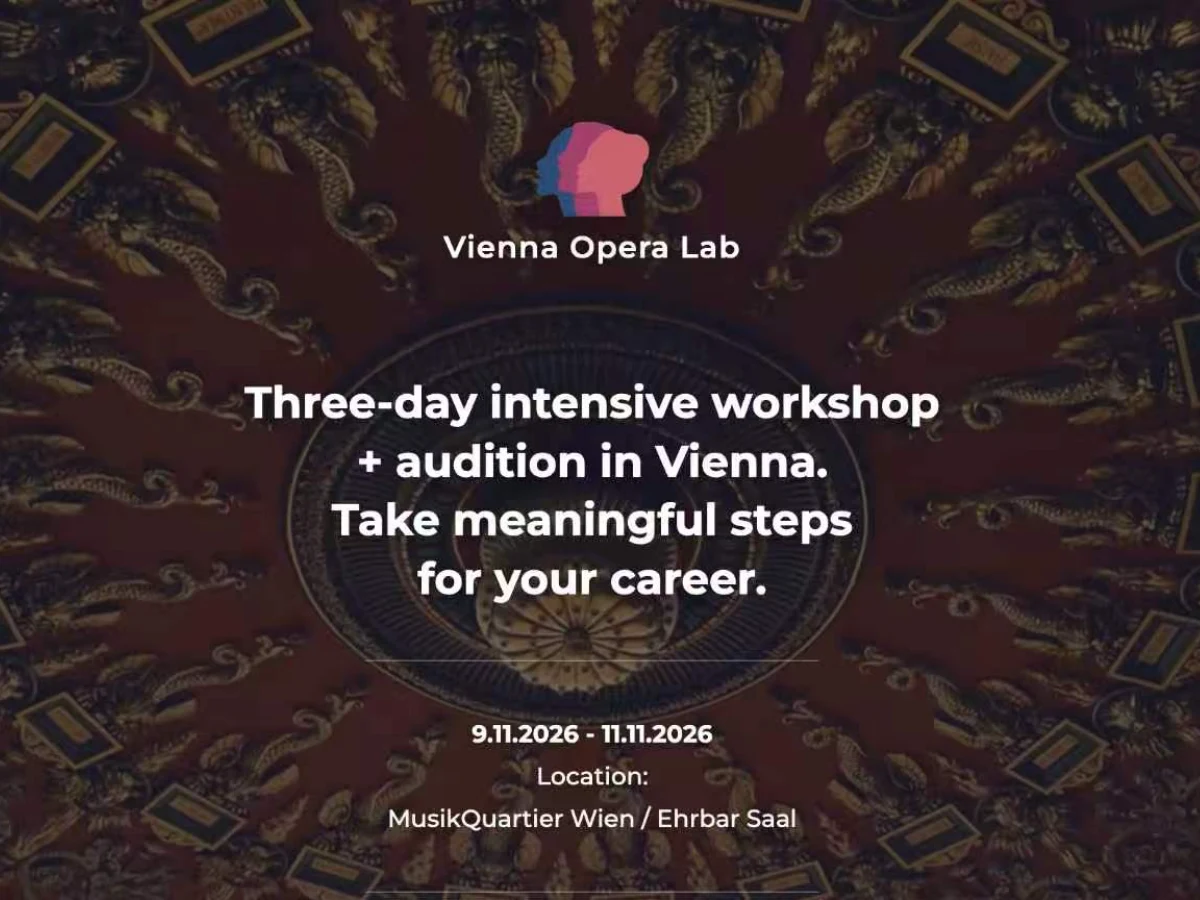
The programme markets access to opera’s “key players”, promising introductions to casting directors, agents and opera-house managers, followed by auditions at the end of the event. Applicants pay a €39 application fee. For the 35 singers selected, the total cost is €1,099, with the application fee deducted from that amount.
For young singers without a steady income, this is a substantial sum. Most have already spent heavily on vocal training, language lessons, coaching, publicity photographs, recordings, and travel and accommodation for auditions. Even a position at a municipal theatre may pay only around €3,000 a month. A freelance singer working at rates set under the relevant German Stage Association agreements may earn as little as €309.50 for an evening’s performance.
The controversy, then, is about more than whether €1,099 represents good value. It raises a broader question about how opera finds its next generation of performers.
Traditionally, agencies treated discovering and developing singers as an investment. They assumed the initial costs and risks, then shared in the returns once a singer secured work. Opera houses, too, sent casting staff out to find promising voices. That relationship is now being reversed. Young people who have yet to establish a career must pay not only for their training and job search, but also for the attention of those who might employ or represent them. The cost of finding talent, once borne by theatres and agencies, is increasingly being passed on to applicants.
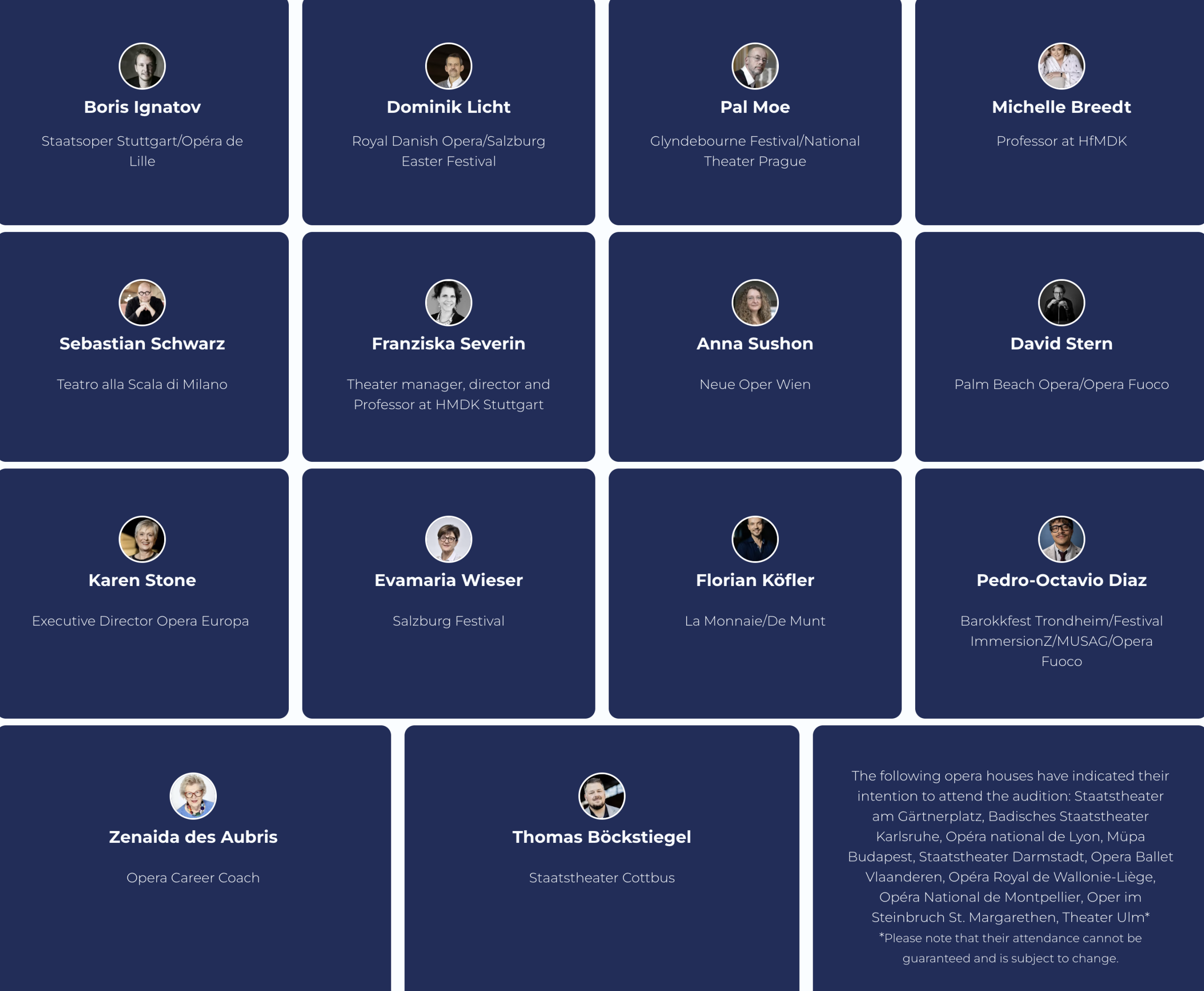
Vienna Opera Lab’s promotional materials name prominent institutions and industry figures, including representatives from La Scala in Milan, Stuttgart State Opera, the Salzburg Festival, and opera houses in Lyon and Montpellier.
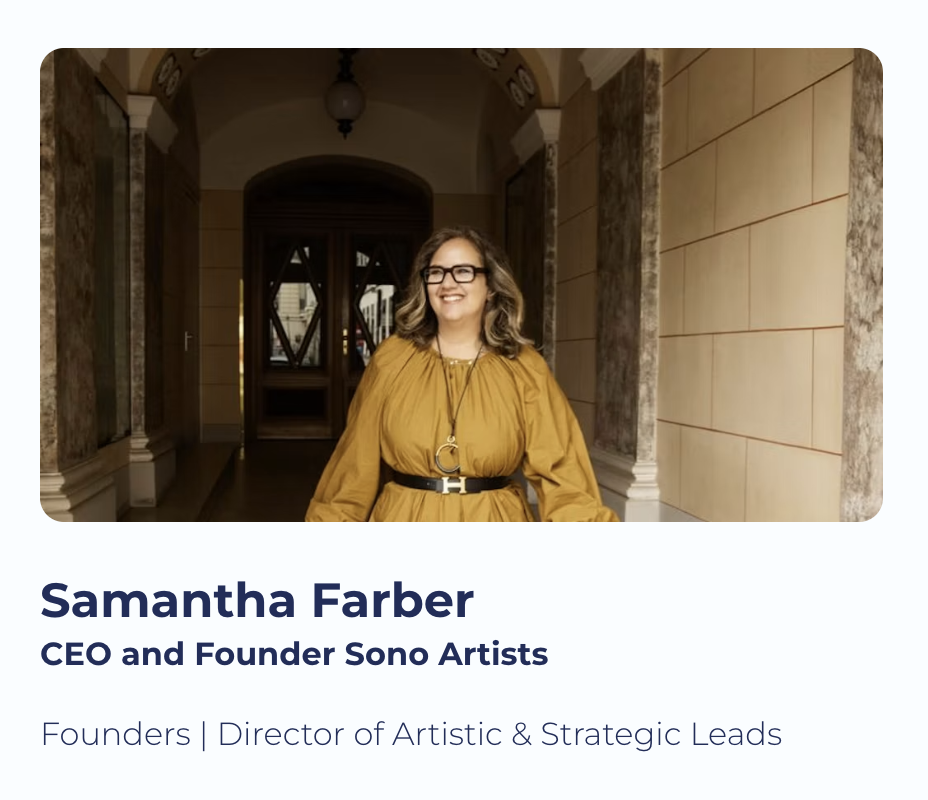
Its founder, Samantha Farber, also founded the agency Sono Artists, which charges €25 simply to review an application. The sum may be modest, but the principle is the same: singers pay before an agency decides whether it wants to hear them.
Farber denies running the programme for personal profit. She says the income largely covers venues, organisation and delivery, and that she funds some scholarships herself. The organisers also argue that travelling to separate auditions across Europe could cost singers more in flights, hotels and accompanists’ fees. Meeting several industry professionals over a few days, they say, is a more efficient alternative.
Those arguments have merit. Private organisations are entitled to charge for courses, teachers and rehearsal space. The difficulty arises when a programme’s chief selling point is access to casting professionals who control employment opportunities. Participants are then buying more than training: they are paying for proximity to potential employers. Even when organisers explicitly state that no roles are guaranteed, the marketing can still suggest that a fee will bring singers closer to the people who decide who gets onstage.
A further question is why publicly funded opera houses and their representatives take part in such commercial ventures.
When journalist Axel Brüggemann contacted those involved, he found that several guests had agreed to attend without knowing singers would be charged €1,099. Eva-Maria Wieser, a casting adviser to the Salzburg Festival, said her role was to listen to and assess singers and join a panel discussion. She would receive neither a fee nor travel expenses. Boris Ignatov of Stuttgart State Opera likewise said he had not known the price when he accepted the invitation. The organisers would cover his travel and provide a payment for a separate workshop. He stressed that attending the lab was in no way a prerequisite for obtaining work in Stuttgart.
These responses reveal another problem: the invited casting professionals may not have asked what young singers were paying to meet them. For people whose work includes finding talent on behalf of public cultural institutions, that lack of scrutiny deserves examination.
The reporting soon had consequences.
Peter Heilker, the incoming head of Leipzig Opera, cancelled his scheduled keynote address. Malte Puls, opera director at Vienna’s Volksoper, also withdrew. Puls said he had not previously known that applicants were being charged and emphasised that neither he nor the Volksoper offered auditions or performance opportunities through outside commercial channels.
On September 24, Trevor John Pichanick, casting director at Berlin’s Komische Oper, confirmed his withdrawal, becoming the third industry professional to pull out. Meanwhile, numerous singers, agents and theatre employees told the media that paid auditions were far from unique to Vienna Opera Lab. New York International Opera Auditions (NYIOP) was charging €300 for a planned event in Berlin, with a pianist costing extra, even though the participating casting professionals had not yet been announced. What has grown around young singers’ anxiety about their careers is not just one programme, but a wider market.
Compiled and adapted from reporting by Axel Brüggemann.